
Sophie Baryalai — February 10, 2026
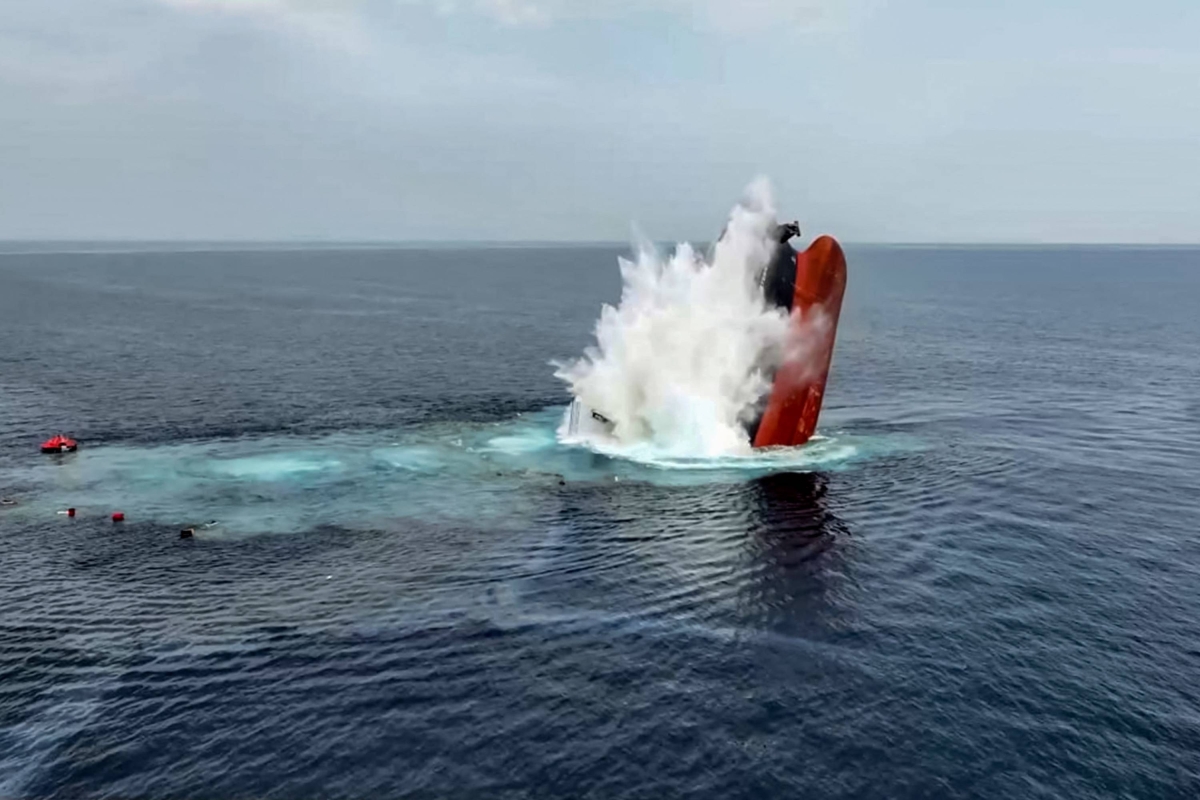
Commercial shipping through the Red Sea faced renewed disruption on February 8, 2026, after Yemen’s Houthi movement launched a new round of missile and drone attacks toward vessels transiting the region, according to U.S. and allied officials. The attacks marked one of the most significant flare-ups in weeks, reinforcing concerns about the vulnerability of global trade routes to regional conflict.
Defense officials said Houthi forces fired multiple projectiles toward commercial ships operating near the Bab el-Mandeb Strait, a narrow passage linking the Red Sea to the Gulf of Aden. While several projectiles were intercepted by naval forces, the attacks prompted immediate warnings to maritime operators. By the following day, shipping companies confirmed that security conditions remained too unstable to resume normal traffic through the area.
The Bab el-Mandeb Strait is a critical chokepoint for global commerce, with roughly 12 percent of world trade typically passing through it. Following the February 8 attacks, major shipping firms reiterated decisions to reroute vessels around the Cape of Good Hope. Industry representatives warned that the longer routes add up to two weeks to delivery times and significantly increase fuel and operational costs, tightening global shipping capacity.
The Houthis said the February 8 attacks were intended to pressure Israel and its allies in response to the ongoing war in Gaza. Shipping companies and insurers, however, have emphasized that the group’s targeting criteria remain unclear. As a result, vessels without direct links to Israel may still face elevated risk, making it difficult for companies to selectively resume Red Sea transits.
The renewed disruption has had broader economic implications. Freight rates and insurance costs have remained elevated as shipping companies and underwriters reassess risk. Energy analysts have also warned that continued instability could place upward pressure on oil prices if disruptions persist or expand, particularly if attacks threaten energy shipments moving through the region.
Governments responded swiftly to the February 8 escalation. U.S. and European officials reaffirmed their commitment to protecting freedom of navigation, describing secure maritime trade as essential to global economic stability and international law. At the same time, analysts cautioned that sustained military operations increase the risk of regional escalation, especially amid concerns over Iran’s alleged support for the Houthis.
The events of February 8 highlight how quickly regional violence can generate global consequences. What began as a spillover from the war in Gaza has evolved into a persistent threat to international trade, energy markets and maritime security. Several shipping firms have indicated they are reassessing long-term routing strategies in case Red Sea disruptions become prolonged rather than temporary.
As of mid-February, uncertainty remains high. Although naval defenses reduced the impact of the February 8 attacks, they did not prevent them entirely. With no clear resolution to the conflict driving the violence, the Red Sea is likely to remain a focal point for policymakers and debaters examining trade security, escalation risks, and the global economic effects of regional war.
Read more here: